
Yes, a heat exchanger can be repaired if the damage is not beyond repair. It depends on the type and extent of the damage sustained.
Heat exchangers play a pivotal role in various industrial and domestic systems by transferring heat between two or more fluids, making their efficiency critical. Like any other equipment, they can succumb to issues such as corrosion, fouling, and mechanical damage.
Recognizing problems early and conducting routine maintenance can often prevent extensive damage, allowing for repairs rather than complete replacements. The process of repairing a heat exchanger typically involves inspection to assess the damage, followed by cleaning, sealing leaks, replacing damaged plates or tubes, and testing to ensure restored functionality. Regular evaluation and timely repair can extend the lifespan of heat exchangers and prevent costly downtime and replacements.
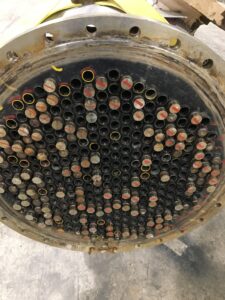
Credit: www.rasmech.com
Basics Of Heat Exchanger Functionality
Heat exchangers play a key role in managing the temperature of systems by transferring heat between two or more fluids. These vital components can be found in various systems, including refrigeration, air conditioning, and power plants. The performance of a heat exchanger significantly affects the efficiency and operational cost of the overall system.
There are several types of heat exchangers. One common kind is the shell and tube exchanger, where fluids move through tubes encased within an outer shell. Another is the plate heat exchanger, consisting of multiple, thin corrugated plates stacked to create a series of channels for fluids to flow through.
Common issues in these devices include fouling, corrosion, and thermal fatigue. Fouling occurs due to the accumulation of impurities, which can hinder heat transfer and increase pressure. Corrosion might lead to leaks, reducing system efficiency. Thermal fatigue results from temperature fluctuations causing expansion and contraction in the material.
Credit: www.jacksonandsons.com
Signs Of Heat Exchanger Damage
Heat exchangers are critical components in various systems. Over time, they can show signs of wear and tear. Visible cracks on the surface are a clear indicator of damage. These fractures can lead to leaks and system failures. Similarly, corrosion also points to potential problems, suggesting a compromised structure.
Efficiency loss is another symptom to watch out for. This problem often signals that the heat exchanger is struggling. You may notice a decrease in performance or an unexpected increase in energy costs. If your system takes longer to warm up or cool down, it might mean it’s time for a repair. Paying attention to these issues early can save you from costly replacements in the future.
Assessment And Inspection Protocols
Determining the state of a heat exchanger requires specialized methods. Experts use various diagnostic tools to uncover issues. These tools range from thermal imaging cameras to pressure and leak-testing equipment. They help to identify where a heat exchanger may be failing.
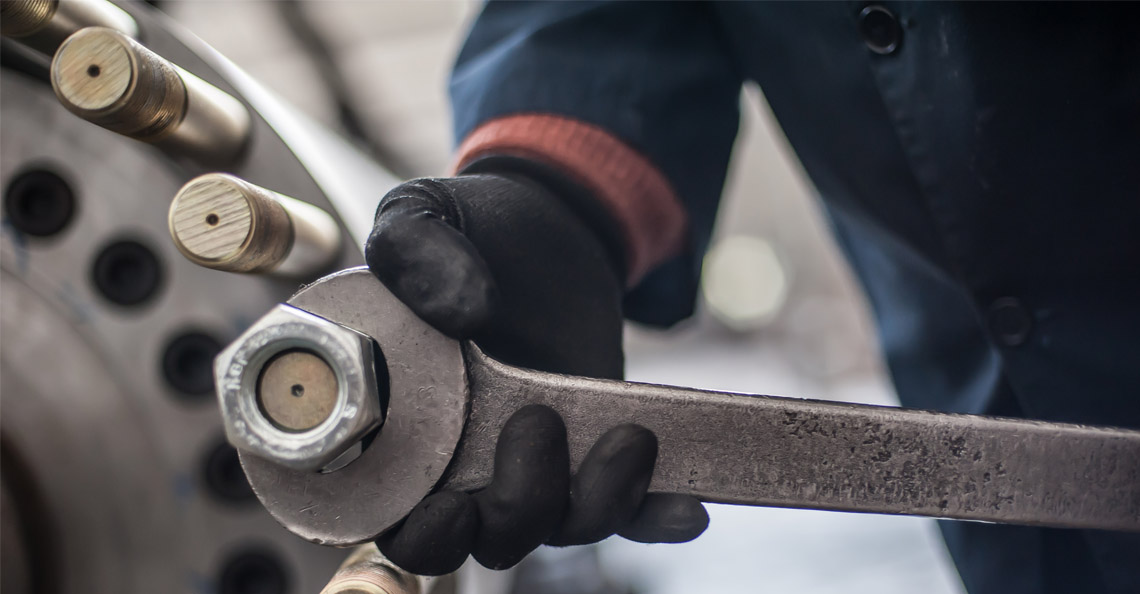
Technicians will often employ non-destructive testing (NDT) techniques. Such techniques include ultrasonic testing and eddy current testing. These permit insight into the equipment’s condition without causing harm. Visual inspection also plays a key role, where professionals look for signs of corrosion, cracks, and wear.
Credit: serckglobal.com
Repair Versus Replacement Debate
Repairing a heat exchanger can be a cost-effective choice. The repair bill may often be significantly lower than the price of a new unit. It’s crucial to compare these costs accurately. A detailed cost analysis will determine if repairs are financially prudent. This involves considering repair costs, longevity, and further maintenance needs.
Long-term performance is another key aspect. An older heat exchanger, even after repair, may not match the efficiency and reliability of a new model. Advances in technology can mean newer models offer better performance and energy savings. This could offset the higher initial investment over time. So, longevity and future performance should be weighed against immediate repair savings.
Innovations In Heat Exchanger Repair
Emerging technologies are changing heat exchanger repair. Advances enable effective fixes of previously irrepairable heat exchangers. Some methods include high-tech welding, laser cladding, and 3D printing of parts.
Such innovations extend the unit’s life and enhance performance. The success lies in precise damage assessment and using the right repair technology. Not every heat exchanger benefits from the same approach.
| Case | Technology Used | Outcome |
|---|---|---|
| Oil Refinery Exchanger | Automated Welding | Restored to original efficiency |
| Chemical Plant Exchanger | Laser Cladding | Enhanced resistance to chemicals |
| Marine Exchanger | 3D Printed Components | Fast repair, minimal downtime |
Professional evaluations are crucial for a successful repair. Skilled technicians carry out these repairs. Regular maintenance can prevent severe damage.
Maintenance To Prevent Future Damage
Maintaining a heat exchanger is key to its longevity. Regular cleaning helps prevent buildup that can lead to damage. It’s wise to check for debris and corrosion, ensuring components stay in top shape. Clean units run more efficiently, saving energy and money.
Predictive maintenance strategies employ state-of-the-art tools. Vibration analysis, thermal imaging, and ultrasonic testing can help spot problems early. This approach aids in planning repairs before severe damage occurs. Staying ahead of issues keeps the heat exchanger working smoothly.
Conclusion
Certainly, heat exchangers can be repaired. This restorative process extends equipment lifespan and optimizes performance. Always consult with professionals to ensure repairs are safe and effective. Prompt attention to malfunctions saves costs over time. Trust in expert repair solutions to maintain your system’s efficiency.

I’m Robert M. Payne, a passionate enthusiast for turning houses into dream homes. With a knack for DIY projects and a keen eye for design, I’ve dedicated myself to sharing my knowledge and experiences in the realm of home improvement.
As a seasoned homeowner and avid DIYer, I understand the challenges and joys that come with transforming living spaces. Through Myhomemyworld, I aim to inspire and guide fellow homeowners on their journey to creating spaces that reflect both functionality and style.
Cheers to creating spaces that truly feel like home.
Connect with me in facebook