
Pink insulation should not touch hot water pipes because it can melt or deteriorate. It is essential to keep a safe distance between the two.
Proper installation of insulation around plumbing is critical in maintaining the efficiency and longevity of both your hot water system and the insulation material. Pink insulation, commonly made from fiberglass, offers great thermal properties and is widely used in residential and commercial buildings to reduce heat loss and improve energy efficiency.
However, the effectiveness of this insulation can be compromised if it’s not installed correctly, particularly against high-temperature surfaces. Ensuring there is proper clearance between pink insulation and hot water pipes prevents potential damage and preserves the structural integrity of your home’s insulation. Remembering to give space to your hot water pipes will save you from the trouble of frequent repairs and inefficiencies in your heating system.
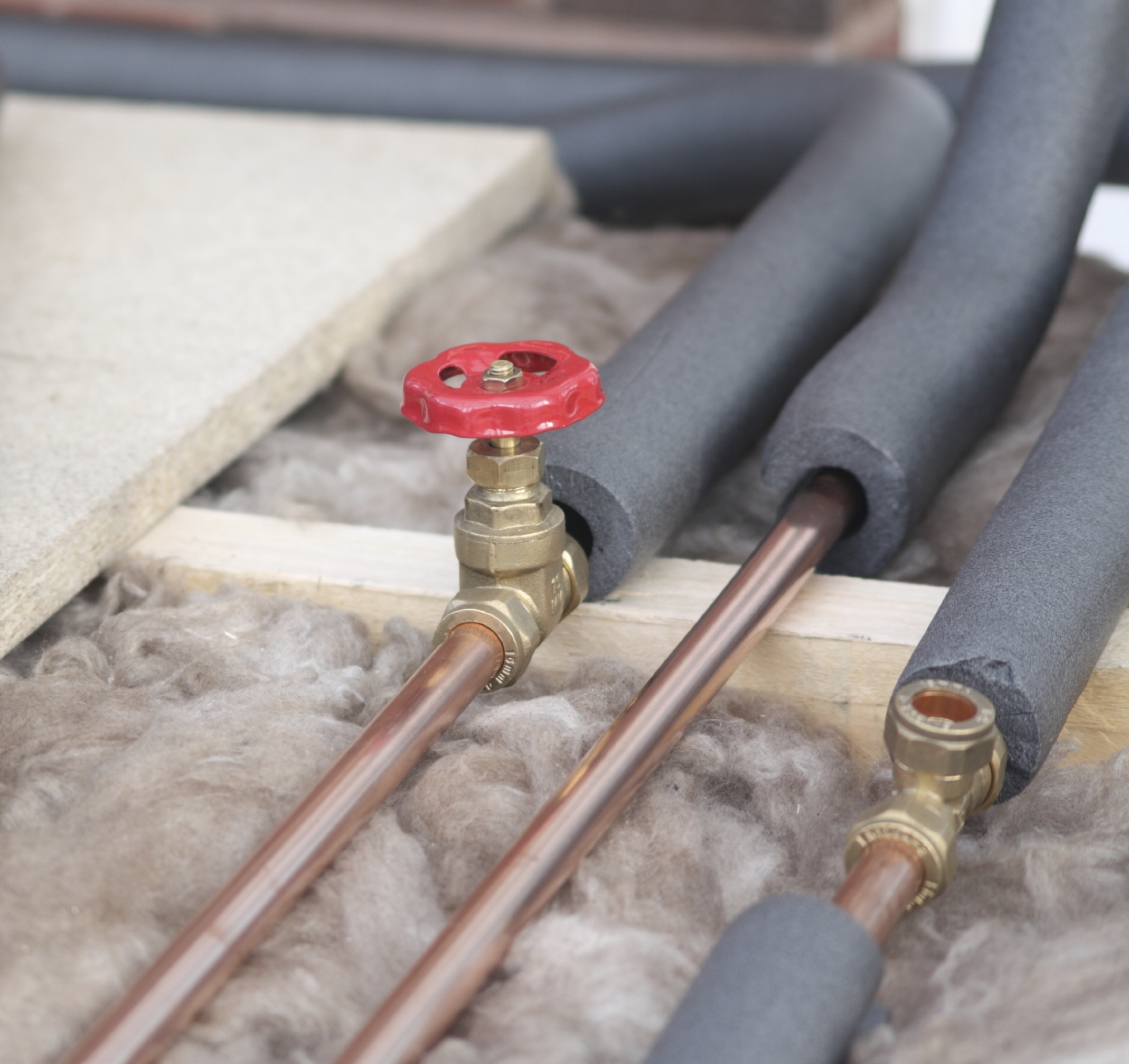
Credit: www.energy.gov
The Basics Of Pink Insulation
When we think of insulation, pink fiberglass often comes to mind. This insulation type shields our homes from extreme temperatures. Discover the composition and properties of pink insulation. Learn about its common uses in home insulation, too.
Composition And Properties
Pink insulation consists of fine glass fibers. Manufacturers create these fibers from molten glass. They then add a distinctive pink dye, giving the product its signature color. This insulation type boasts a range of properties, making it a go-to choice for homeowners.
- Thermal Performance: Keeps homes warm in winter and cool in summer.
- Fire Resistance: Non-combustible materials make it a safe option.
- Sound Absorption: Reduces noise, creating quieter living spaces.
- Eco-Friendly: Often made from recycled materials.
Common Uses In Home Insulation
Pink insulation serves various functions in a home. Below are some typical applications:
| Location | Benefits |
|---|---|
| Attics | Reduces heat transfer, cutting energy bills. |
| Walls | Improves indoor temperature control. |
| Basements | Prevents moisture buildup, protecting foundations. |
In the context of hot water pipes, pink insulation can be used if installed correctly. Consult with a professional to ensure maximum efficiency and safety.
Hot Water Pipes In Residential Spaces
Every house has hot water pipes running through walls and floors. Proper insulation is key to protecting these pipes and saving energy. But can pink insulation come in contact with hot water pipes? Let’s explore.
Materials And Heat Tolerance
Insulation materials vary in heat tolerance. Common types include fiberglass, foam, and cellulose. Fiberglass, like pink insulation, is a popular choice.
- Pink insulation resists heat up to 250°F.
- Hot water pipes typically reach 120°F to 180°F.
This means pink insulation can safely contact most residential hot water pipes. Still, check manufacturer guidelines.
Safety Measures And Regulations
Understanding building codes ensures safe insulation practices. Let’s look at safety measures and regulations.
| Material | Safety Standard | Maximum Temperature |
|---|---|---|
| Fiberglass (Pink Insulation) | ASTM C665 | Up to 250°F |
| Hot Water Pipes | IPC Code | 120°F to 180°F |
Ensure proper clearance as per local building codes. Never block safety valves or use materials not rated for high temperatures.
Interactions Between Insulation And Pipes
Insulation keeps our homes cozy. It controls temperature. But what happens when pink insulation meets hot water pipes? Let’s explore.
Thermal Conductivity Concerns
Thermal conductivity describes how heat passes through materials. Insulation should reduce this passage. With pink insulation around hot water pipes, the aim is to keep water hot and energy bills low. Quality materials make sure of this.
Potential Risks Of Contact
When pink insulation touches hot pipes, risks may arise. High temperatures can affect insulation’s effectiveness. They might even lead to wear or melting. It’s vital to use proper insulation for pipes. This ensures safety and performance.
- Avoid insulation that melts or catches fire.
- Check temperature ratings before installing.
- Ensure correct installation for maximum safety.
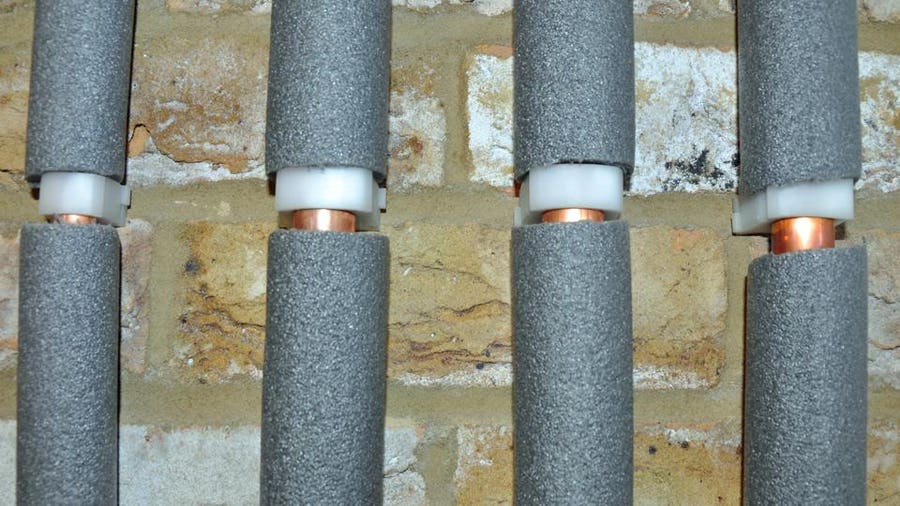
Credit: www.forbes.com
Proper Installation Techniques
Ensuring your home’s safety and efficiency involves proper insulation installation. When dealing with hot water pipes, the right techniques prevent future problems. Below are guidelines and tips for wrapping pipes and protecting them from overheating and damage.
Guidelines For Wrapping Pipes
Start with the right insulation material for your hot water pipes. Pink fiberglass insulation can be a suitable option. Ensure it has the correct temperature rating for hot water lines.
- Cut insulation to the pipe’s length plus a little extra for secure fitting.
- Wrap the insulation snugly around the pipe, overlapping edges to avoid heat loss.
- Use high-temperature tape to secure the insulation.
- For corners or curves, cut slits into the insulation for a better fit.
- Do not compress the insulation, as this diminishes effectiveness.
Preventing Overheating And Damage
Safeguard your hot water pipes and home by preventing overheating. Follow these steps:
- Allow air circulation around the pipes.
- Keep insulation dry to avoid reduced performance and deterioration.
- Check the manufacturer’s instructions on maximum temperature exposure for the pink insulation.
- Inspect regularly for any signs of wear or damage.
- If the pink insulation is too close to the hot pipe, use spacers.
- Look for certification seals that ensure the material meets safety standards.
Maintain your system’s integrity with these methods. Keep your water hot and your safety hotter!
Maintenance And Inspection
In the realm of home plumbing, ongoing care stands as pivotal. Regular maintenance and inspection ensure hot water pipes and pink insulation’s effectiveness and safety. Such diligence not only prolongs their lifecycle but also staves off potential hazards.
Routine Checks For Insulation And Pipes
Consistent monitoring of your insulation and pipes is crucial. Aim for biannual inspections at a minimum. Ensure these checks occur just before winter and as the warmer months begin. This timing assists in preparing for extreme temperatures which pose the greatest risk to plumbing systems.
- Visual appraisal: Start with a simple look-over. Check the entire length of any exposed pipes.
- Touch test: Carefully feel the insulation. Is it dry and firm? Moisture or sponginess could signal a leak.
- Fit and coverage: Insulation should hug the pipe snugly. Any gaps or loose sections call for attention.
Signs Of Deterioration Or Issues
Stay vigilant for red flags that could indicate a problem. Addressing these early prevents further complications.
| Sign | Potential Issue | Action Needed |
|---|---|---|
| Discoloration | Heat or chemical damage | Assess and replace insulation as needed |
| Wet spots | Possible leak in pipes | Identify source, repair pipe, and replace insulation |
| Brittleness or flaking | Old or heat-damaged insulation | Emergency replacement to prevent heat loss and protection |
Note any unusual odors or pest activity around insulation. These could signify mold, deterioration or the need for pest control interventions.
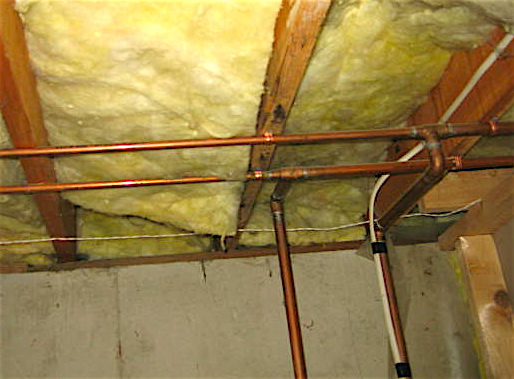
Credit: www.nachi.org
Conclusion
To sum up, ensuring a safe distance between pink insulation and hot water pipes is crucial. Not only does it prevent potential melting and toxicity, but it also maintains the effectiveness of your home’s insulation. Remember to consult professionals if you’re unsure, as they’ll provide guidance tailored to your specific installation.
Always prioritize safety and efficiency to keep your household running smoothly.

I’m Robert M. Payne, a passionate enthusiast for turning houses into dream homes. With a knack for DIY projects and a keen eye for design, I’ve dedicated myself to sharing my knowledge and experiences in the realm of home improvement.
As a seasoned homeowner and avid DIYer, I understand the challenges and joys that come with transforming living spaces. Through Myhomemyworld, I aim to inspire and guide fellow homeowners on their journey to creating spaces that reflect both functionality and style.
Cheers to creating spaces that truly feel like home.
Connect with me in facebook