
An exhaust pipe can reach temperatures of up to 800 degrees Fahrenheit. This heat is generated from the engine and the gases that pass through the exhaust system.
Understanding how hot an exhaust pipe gets is crucial for vehicle safety and maintenance. Exhaust pipes play a vital role in a car’s functioning. They help remove gases from the engine, keeping it running smoothly. But, the intense heat they endure can cause damage over time.
High temperatures can lead to wear and tear, impacting the performance and lifespan of the exhaust system. Knowing the heat levels helps in maintaining the vehicle and preventing accidents. It is essential for drivers to be aware of these factors to ensure their car remains safe and efficient. This knowledge aids in better care and timely repairs, enhancing the vehicle’s longevity.
Credit: carfromjapan.com
Exhaust Pipe Basics
Exhaust pipes are usually made from steel. Steel is strong and can handle high heat. Some pipes use stainless steel. This type does not rust easily. Aluminum is another choice. Aluminum is light but can wear out faster. Titanium is rare but very tough. It can handle extreme heat.
The exhaust pipe lets hot gases escape. Engines burn fuel. Burning fuel makes hot gases. These gases need to go out. Pipes guide these gases safely away. They also help reduce noise. Without pipes, engines would be very loud. Pipes play a big role in keeping engines quiet and safe.
Credit: www.motorauthority.com
Factors Affecting Temperature
The engine works hard when the car moves fast. More power is needed to go uphill. This means higher engine load and more heat. The engine parts get very hot. The exhaust pipe feels the heat too. High RPM makes the engine spin fast. This creates even more heat. The pipe can get very hot.
The weather outside matters too. Hot days make the exhaust hotter. Cold days keep it cooler. The air around the car affects it. Colder air cools it down faster. But hot air keeps it warm. The pipe’s temperature depends on this air.
Typical Temperature Range
An exhaust pipe can get very hot. At idle, the temperature is lower. It may reach about 300 to 400 degrees Fahrenheit. But when a car is working hard, it can get hotter. The temperature may rise to 600 to 1,000 degrees Fahrenheit. It depends on how fast and hard the engine works.
Gasoline and diesel engines heat up differently. A gasoline engine usually has a higher temperature. It can reach up to 1,200 degrees Fahrenheit. Diesel engines often stay a bit cooler. They might reach around 600 to 800 degrees Fahrenheit. This difference is because of how each engine burns fuel. Diesel burns fuel more slowly.
Measuring Exhaust Pipe Heat
Exhaust pipes can get very hot. It’s important to know how hot. Special tools help measure the heat. A temperature gun is one tool. It points at the pipe and shows the heat. Another tool is the thermocouple. This tool touches the pipe to measure. Both tools are good for checking heat.
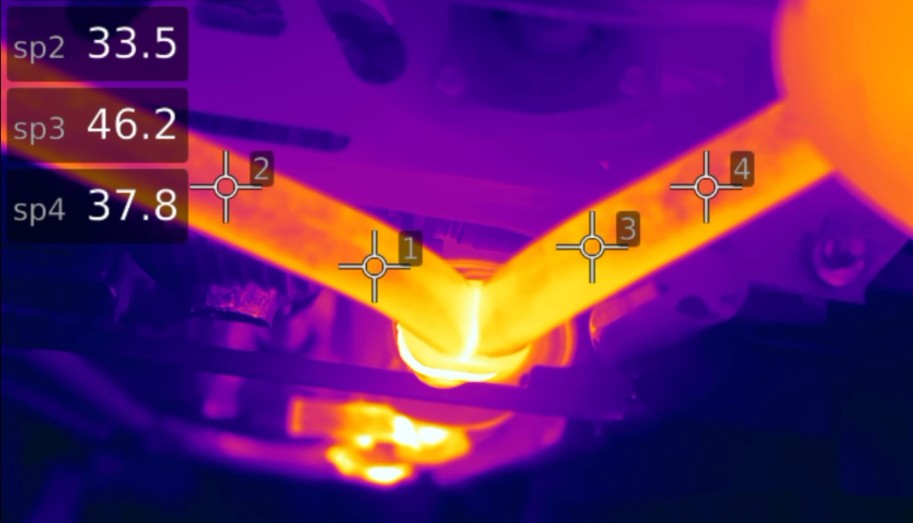
Thermal cameras can see heat. They show different colors for hot and cold. Using a thermal camera is easy. Just aim at the pipe and look at the screen. Sometimes, it’s better to use a digital thermometer. This tool is simple and gives numbers. It is handy and easy to use.
Safety is very important when measuring heat. Pipes can burn skin. Wear gloves to protect hands. Also, use goggles for eye safety. Keep away from the pipe when it’s hot. Always wait for the pipe to cool down before touching.
Impact Of High Temperatures
The exhaust pipe can get very hot. This heat can cause damage. Paint on the car can peel. Rubber parts may melt. Wires near the pipe could burn. This damage can be costly. Repairing these parts can take time.
High temperatures affect car performance. The engine might not work well. Fuel efficiency can drop. Power output may decrease. Metal parts might warp. This can lead to engine problems. Keeping the exhaust pipe cool helps. It keeps the car running smoothly.
Cooling Mechanisms
An exhaust pipe can get extremely hot, reaching temperatures up to 1,200 degrees Fahrenheit. This intense heat results from the combustion process in the engine. Effective cooling mechanisms are crucial to manage this heat and ensure safe vehicle operation.
Heat Shields
Heat shields are like protective blankets. They help keep parts safe from heat. Exhaust pipes can get really hot. Sometimes over 1,000 degrees Fahrenheit. This is very hot! Heat shields block some of this heat. They use special materials. These materials don’t get hot easily. This keeps the car safe and cool.
Exhaust Wraps
Exhaust wraps are like bandages for pipes. They wrap around the pipe. This keeps the heat inside. It stops the pipe from getting too hot. The wraps are made from strong fibers. These fibers can stand high heat. They make the pipe cooler on the outside. This helps protect the car and its parts.
Signs Of Overheating
Exhaust pipes can get very hot. Smoke is a big warning sign. White smoke often means water is in the exhaust. Blue smoke can mean oil is burning. Black smoke might show fuel problems. Look for discoloration on the pipe. A red or blue tint can mean the pipe is too hot. Cracks in the pipe can also be a sign of overheating.
Exhaust issues can cause many problems. Loud noises from the exhaust are a common sign. Rattling sounds can mean loose parts. Loss of power might show exhaust issues. A bad smell can mean there is a leak. Reduced fuel efficiency is another symptom. Check engine light might also turn on. These signs need attention quickly.
Credit: www.jdpower.com
Maintenance Tips
Exhaust pipes can get very hot. Regular checks are very important. Look for any damage or cracks. Check for rust and dirt too. These can make pipes wear out fast. Clean pipes help in keeping the car safe. A clean pipe also works better. Use a soft cloth for cleaning. Make sure to wear gloves. Check pipes every month. This keeps them in good shape. It also helps in catching problems early.
Keeping pipes cool is important. Park the car in shade. This stops them from getting too hot. Use a heat shield if needed. It helps in lowering heat. Check for leaks often. Fix leaks quickly. Leaks can be dangerous. They can cause more heat. Make sure all parts fit well. Loose parts can cause problems. Tighten them if needed. This keeps the exhaust system in top shape.
Conclusion
Exhaust pipes can reach extremely high temperatures. Understanding this is crucial for safety. Hot exhaust pipes can burn you. They can also damage nearby materials. Regular maintenance helps keep temperatures in check. Make sure your vehicle is in good condition.
This prevents overheating issues. Always be cautious around exhaust systems. Protect yourself and your vehicle. Use this knowledge wisely. Stay safe and informed. Keep your vehicle running smoothly. Knowing exhaust pipe temperatures can help. It’s a small step towards smarter vehicle care.
Keep learning. Your safety matters.

I’m Robert M. Payne, a passionate enthusiast for turning houses into dream homes. With a knack for DIY projects and a keen eye for design, I’ve dedicated myself to sharing my knowledge and experiences in the realm of home improvement.
As a seasoned homeowner and avid DIYer, I understand the challenges and joys that come with transforming living spaces. Through Myhomemyworld, I aim to inspire and guide fellow homeowners on their journey to creating spaces that reflect both functionality and style.
Cheers to creating spaces that truly feel like home.
Connect with me in facebook