
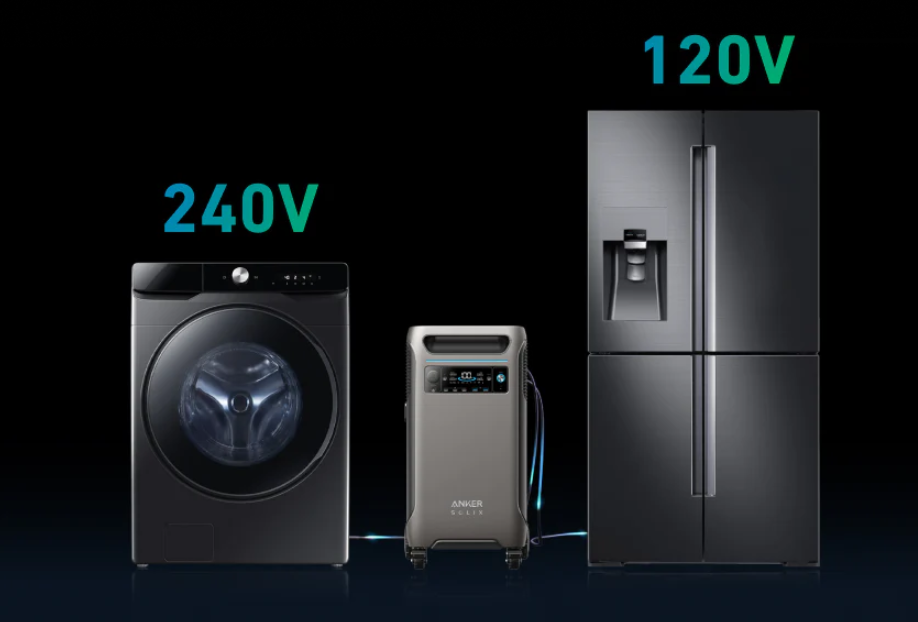
A washing machine uses around 300 to 500 watts per cycle. The exact number depends on the machine’s size, type, and efficiency rating.
Understanding how many watts a washing machine uses helps you manage energy bills and reduce environmental impact. Washing machines are essential in most households. But they can be major energy consumers. Knowing their watt usage can lead to smarter choices.
This awareness helps in selecting machines that balance power and efficiency. Energy-efficient models save money over time and are better for the planet. Choosing the right washing machine means considering your laundry needs and budget. Energy consumption isn’t just about costs; it’s about being eco-friendly too. Explore how watt usage varies and see what fits your home best. Discover ways to save energy without sacrificing clean clothes.
Credit: www.youtube.com
Washing Machine Basics
Understanding the basic functioning of a washing machine is crucial if you’re curious about its energy consumption. Washing machines are a household staple, but did you ever pause to consider how much energy these appliances use? Knowing the wattage not only helps manage electricity bills but also guides you in choosing an energy-efficient model.
Types Of Washing Machines
Washing machines come in various types, each with different energy needs. The most common are top-loading and front-loading machines. Top-loaders are often more affordable and user-friendly, but they typically consume more electricity and water. Front-loaders, on the other hand, are generally more energy-efficient and use less water, which can save you money in the long run.
Have you ever tried a portable washing machine? These compact models are perfect for small spaces and consume less power, making them an excellent choice for energy-conscious users. However, their smaller load capacity might not suit larger families.
Energy Efficiency Labels
Energy efficiency labels can be your best friend when selecting a washing machine. These labels provide an easy-to-understand scale that indicates how much energy a machine uses. A higher-rated machine might cost more upfront, but it can lead to significant savings on your energy bill over time.
Have you noticed the Energy Star label on some machines? This label signifies that the appliance meets strict energy efficiency guidelines set by the government. Opting for an Energy Star-rated washing machine can reduce your energy usage by up to 25%, a smart choice for both the environment and your wallet.
Why not challenge yourself to read these labels the next time you shop for appliances? Understanding them can empower you to make informed decisions that align with your energy-saving goals.
When was the last time you checked your machine’s energy consumption? Knowing its wattage can spark meaningful changes in your daily habits, leading to a more sustainable lifestyle.
Understanding Power Consumption
Understanding how much power a washing machine uses is important. It helps manage energy costs effectively. Washing machines vary in their power consumption. This depends on several factors. Knowing how many watts your appliance uses can save money.
What Is A Watt?
A watt measures energy use. It tells how much power an appliance needs to operate. Washing machines often range from 400 to 1400 watts. The exact wattage depends on the model and cycle setting. Higher wattage means more energy use. Lower wattage means less energy use. Understanding wattage helps choose efficient appliances.
Factors Affecting Usage
Several factors affect a washing machine’s energy use. The type of machine is one factor. Front-loading machines generally use less power. Top-loading machines might use more. The cycle selection also influences power usage. Short cycles use less energy. Longer cycles use more. Water temperature is another factor. Hot water cycles consume more watts. Cold water cycles use fewer watts. Load size impacts energy use too. Larger loads may require more power. Smaller loads require less. Regular maintenance can also affect energy consumption. A well-maintained machine operates more efficiently.
Typical Wattage Range
Washing machines typically use between 400 to 1,400 watts. The exact wattage depends on the model and features. Energy-efficient models often use less power, saving on electricity bills.
Understanding the typical wattage range of washing machines can help you make informed choices that save energy and reduce costs. Have you ever wondered why some washing machines seem to use more electricity than others? The wattage varies significantly between standard and high-efficiency models. Let’s break it down so you can determine which type suits your needs best.Standard Models
Standard washing machines usually range between 400 to 1300 watts. These models are quite common in many households. They offer reliable performance but can be less energy-efficient. Imagine doing laundry for a family of four; a machine with higher wattage might consume more electricity, especially if you do several loads per week. If you don’t mind a bit of a higher energy bill for the sake of straightforward functionality, standard models might be your pick. However, it’s worth considering whether those extra watts are truly necessary for your laundry needs. Are you using your washing machine to its full potential, or is it simply a habit of sticking with what’s familiar?High-efficiency Models
High-efficiency washing machines typically use between 350 to 800 watts. These models are designed to conserve energy and water. They are perfect for those who are mindful of their utility bills and environmental impact. If you’ve ever watched your electricity meter spin like crazy during laundry day, a high-efficiency machine might be your saving grace. Despite the lower wattage, these models often boast advanced features. Some can adjust the water level according to the load size, ensuring you never waste resources. Think about the last time you washed a tiny load in a massive drum. You might have felt guilty about the wasted water, and that’s where high-efficiency models come in handy. Have you ever considered how much money you could save over time with a more energy-efficient machine? The initial cost might be higher, but the long-term benefits are worth pondering. Could investing in a high-efficiency model change your perspective on household energy consumption?Calculating Energy Costs
Understanding how many watts your washing machine uses is crucial for calculating energy costs. A washing machine can be one of the biggest energy consumers in your home, especially if you use it frequently. By breaking down the energy usage, you can manage your bills effectively and even make eco-friendly choices. Do you know how much your washing machine contributes to your monthly electricity bill? Let’s find out.
Estimating Monthly Use
To estimate your washing machine’s monthly energy use, start by checking its wattage. This information is usually found on a label inside the door or in the user manual. Most washing machines use between 500 to 1,500 watts per cycle.
Next, think about how often you wash clothes. If you run 10 cycles a month, and your machine uses 1,000 watts per cycle, then you’re using 10,000 watts a month. Convert this to kilowatt-hours (kWh) by dividing by 1,000. That’s 10 kWh per month.
Multiply the kWh by your local electricity rate. If the rate is $0.15 per kWh, your washing machine costs $1.50 per month in electricity. Does this surprise you? Estimating helps to visualize your energy consumption.
Interpreting Your Electric Bill
Your electric bill can seem like a mystery, but understanding it can empower you to make smart decisions. Look for the section that lists usage in kWh. Compare this to your washing machine’s calculated usage.
If your bill is higher than expected, consider other appliances. Your dryer, refrigerator, and air conditioning may contribute more than you think. You might find small changes lead to big savings.
Also, check for any tiered pricing or time-of-use rates. Washing clothes during off-peak hours can save money. Have you ever considered doing laundry at night? It’s a simple change with potential cost benefits.
Knowing your washing machine’s energy use is just one piece of the puzzle. How will you use this information to reduce your energy costs? Share your thoughts and strategies for saving money in the comments below!
Comparing With Other Appliances
Understanding the energy consumption of household appliances is essential. It helps manage utility bills and environmental impact. Washing machines are common in homes, but how do their energy use compare to other appliances? Examining this can provide insights into energy efficiency.
Kitchen Appliances
Kitchen appliances vary in energy use. Refrigerators typically use between 100 to 800 watts. Microwaves consume around 600 to 1200 watts. Dishwashers can run at 1200 to 1500 watts. In comparison, washing machines average around 500 watts. They are moderate in energy consumption.
Home Heating And Cooling
Heating and cooling systems often use significant energy. Air conditioners can consume between 1000 to 4000 watts. Central heating systems may use 3500 watts or more. Washing machines, with their 500-watt usage, are more energy-efficient. They use less energy than many heating and cooling appliances.
Reducing Energy Use
Exploring energy use at home helps save money and resources. A washing machine typically uses between 400 to 1300 watts per load. Adjusting settings like temperature and load size can lower energy consumption significantly.
Reducing energy use in your home is not just about saving money on your electricity bill. It’s about making smart choices that benefit the environment and your household. Your washing machine, while essential, can be a significant energy consumer. By implementing a few changes, you can effectively reduce the energy it uses without compromising on cleanliness or efficiency.Efficient Washing Tips
You might be surprised by how much energy you can save with simple changes to your washing habits. Cold water washing is a game-changer. Most of the energy consumed by washing machines is used to heat water. By using cold water settings, you can dramatically cut down on energy use. Consider full loads rather than partial ones. Washing fewer, larger loads can be more energy-efficient. Your machine uses almost the same amount of energy regardless of how full it is, so make every wash count. Have you thought about the time you wash your clothes? Off-peak hours can sometimes offer cheaper energy rates, depending on your utility provider. This means you can save a bit more by simply adjusting your wash schedule.Routine Maintenance
Routine maintenance of your washing machine can also lead to energy savings. Regularly checking and cleaning the lint filter is a must. A clogged filter can make the machine work harder, using more energy than necessary. Inspect the hoses for leaks or blockages. Any water wastage means your machine has to compensate, leading to higher energy use. A small leak might seem harmless, but it can add up over time. Have you ever looked at the drum of your washing machine? Ensure it’s spinning freely and isn’t overloaded. An overloaded machine can strain the motor, consuming more power and potentially shortening the machine’s lifespan. Reflect on these tips and consider how they fit into your daily life. Can you implement one or two changes today? Every small action contributes to a larger impact, not just on your energy bill, but on the planet’s health too.Choosing An Energy-efficient Model
Selecting an energy-efficient washing machine can lower electricity usage, typically ranging from 400 to 1300 watts per cycle. Understanding wattage helps in making smart choices that save money and reduce energy consumption.
Choosing an energy-efficient washing machine can save both money and the environment. These models consume less power, reducing your electricity bills. They also use water efficiently, conserving resources. The right choice could decrease your household’s carbon footprint. Investing in an energy-efficient machine offers long-term benefits. You enjoy the same cleaning power while using fewer resources. Understand the features that make a machine energy-efficient. Compare brands to find the best model for your needs. Read on for insights into making an informed choice.Features To Look For
Energy-efficient washing machines often have specific features. Look for Energy Star certification. This label means the model meets strict efficiency standards. Inverter technology is another key feature. It optimizes motor speed, reducing energy use. Machines with variable wash settings offer flexibility. Select shorter cycles for less energy consumption. Auto-load sensing adjusts water and power based on the load size. This feature prevents wasteful use of resources. High spin speed extracts more water from clothes. This reduces drying time and energy costs. Check for LED displays with efficiency modes. They help manage power usage easily.Brand Comparisons
Different brands offer various energy-efficient models. LG and Samsung are popular for their advanced technology. They provide inverter motors and smart settings for efficiency. Bosch offers models with eco-friendly wash programs. Whirlpool machines often feature auto-load sensing and high spin speeds. Maytag focuses on durable models with energy-saving capabilities. Compare energy ratings and user reviews. Some brands offer unique features. Electrolux has models with steam cleaning, reducing water usage. Haier emphasizes budget-friendly efficiency. Choose a brand that fits your budget and efficiency needs.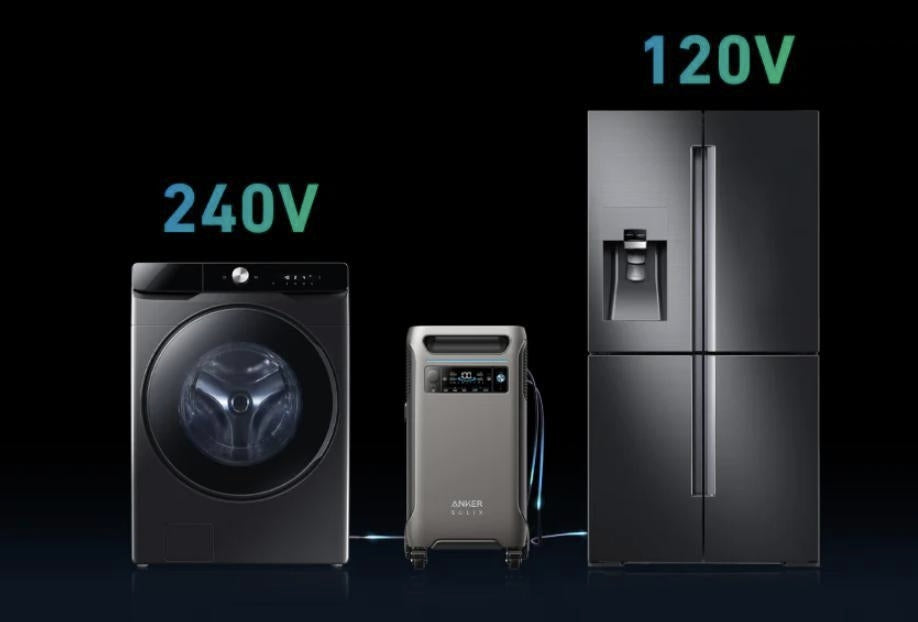
Credit: www.ankersolix.com
Future Trends In Washer Technology
Washing machines are becoming more energy-efficient, using fewer watts than older models. Modern designs optimize performance and conserve electricity. Expect future washers to offer smarter features with lower energy consumption.
As technology continues to evolve, washing machines are becoming smarter and more efficient. You may wonder how these advancements affect energy consumption. Future trends in washer technology promise to make your laundry routine easier and more sustainable. Let’s dive into some exciting developments that are reshaping the way we do laundry.Smart Washers
Imagine receiving a notification on your phone when your laundry is done. Smart washers are making this a reality. These machines connect to your Wi-Fi and provide remote monitoring and control. You can start, pause, or stop a cycle from anywhere. This is perfect for busy schedules. Some models even suggest optimal wash settings based on load size and fabric type. These features not only save time but also help in reducing energy usage. By tailoring each cycle, they ensure your washer uses just the right amount of water and energy. Are you ready to let technology take the reins on your laundry?Sustainable Innovations
Sustainability is at the forefront of modern washer design. Manufacturers are finding creative ways to minimize energy consumption. New models are using less water and detergent without compromising on cleanliness. Heat pump technology is another breakthrough. It uses lower temperatures to dry clothes, cutting down on energy use significantly. You might find your electricity bills dropping as a result. Additionally, some washers are built with recycled materials, promoting eco-friendliness. This is a win-win situation for you and the environment. What steps can you take to make your laundry routine more sustainable? Incorporating these technologies into your home can revolutionize how you think about energy consumption. Whether you’re aiming for convenience or sustainability, the future of washing machines is bright and energy-efficient.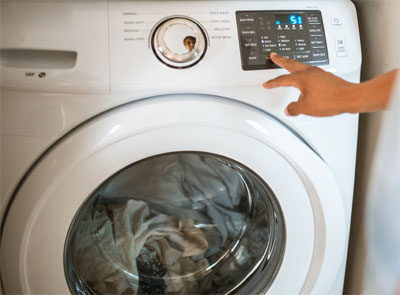
Credit: www.batteryequivalents.com
Conclusion
Understanding washing machine wattage helps save energy. It impacts your bills. Choosing energy-efficient models makes a difference. Always check the energy label. This way, you know the power usage. Regular maintenance also reduces energy consumption. Keep filters clean. Inspect hoses for leaks.
Simple steps make a huge impact. Energy-saving practices benefit the environment too. Be mindful of wash cycles. Use cold water settings when possible. This reduces electricity usage. Investing in energy-efficient appliances can save money long term. Make informed decisions. These small changes contribute to a sustainable future.
Save energy, save money, and help the planet.

I’m Robert M. Payne, a passionate enthusiast for turning houses into dream homes. With a knack for DIY projects and a keen eye for design, I’ve dedicated myself to sharing my knowledge and experiences in the realm of home improvement.
As a seasoned homeowner and avid DIYer, I understand the challenges and joys that come with transforming living spaces. Through Myhomemyworld, I aim to inspire and guide fellow homeowners on their journey to creating spaces that reflect both functionality and style.
Cheers to creating spaces that truly feel like home.
Connect with me in facebook