
Heating a garage efficiently is crucial for comfort. It keeps the space usable year-round.
Whether your garage serves as a workshop, storage, or even a hobby space, maintaining a cozy temperature can make all the difference. Cold garages can be unpleasant and limit their use. Many people overlook this area, but with the right heating approach, you can transform it into a functional environment.
Understanding the best methods to heat your garage involves considering insulation, heating options, and energy efficiency. This guide will help you explore practical solutions, ensuring your garage remains warm and inviting. Let’s delve into how you can create a comfortable atmosphere in your garage, maximizing its potential.
Insulating The Garage
Insulation materials keep heat in the garage. They are important for warmth. Fiberglass is common and easy to use. It is soft and fluffy. Foam boards are strong and solid. They fit into walls tightly. Spray foam fills small spaces. It expands and covers gaps. Each material has its benefits. Think about cost and ease of use. Choose the right one for your garage.
Gaps and cracks let cold air in. This makes the garage chilly. Use weatherstripping around doors. It seals the edges and keeps out drafts. Apply caulk to cracks in walls. It stops air leaks. Check windows for gaps. Seal them with foam tape. A well-sealed garage keeps heat inside. It saves energy and money.
Credit: www.garaga.com
Types Of Heaters
Electric heaters are very easy to use. They plug into a socket and start heating. These heaters are safe and do not produce gas fumes. They are perfect for small garages. Many electric heaters have a thermostat. This helps control the temperature. Some have fans to spread the heat. Electric heaters are usually light. You can move them easily.
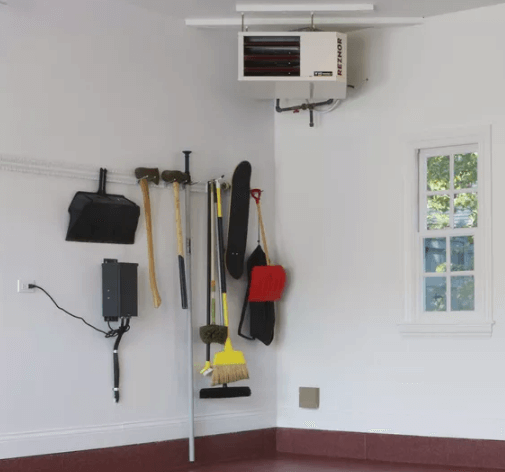
Gas heaters are powerful and heat large spaces. They use natural gas or propane. Gas heaters are efficient and cost less to run. But, they need proper venting. This is important for safety. Gas heaters can be wall-mounted. This saves space in your garage. Always check for gas leaks. Safety is very important.
Installing A Heater
Safety is very important when installing a heater. Always read the manual. Follow all instructions. Keep flammable items away from the heater. Wear gloves when working with wires. Check for leaks if using gas. Have a fire extinguisher nearby, just in case. Ensure good ventilation. Fresh air is important. Turn off the power before starting. Safety first!
Gather all tools needed. Pick a spot for the heater. Drill holes if needed. Mount the heater securely. Connect the wires carefully. Double-check connections. Turn on the power. Test the heater to see if it works. Adjust settings for warmth. Enjoy a warm garage!
Credit: artisandoorworks.com
Ventilation Importance
Good airflow keeps the garage fresh. Fresh air stops bad smells. Open windows and doors to let air in. Use fans to help air move. This keeps the garage nice and clean.
Moisture can make garages damp. Dampness can cause rust and mold. Keep moisture away with proper ventilation. Use a dehumidifier to absorb extra moisture. This keeps the garage dry and safe. Dry garages last longer and protect your stuff.
Alternative Heating Methods
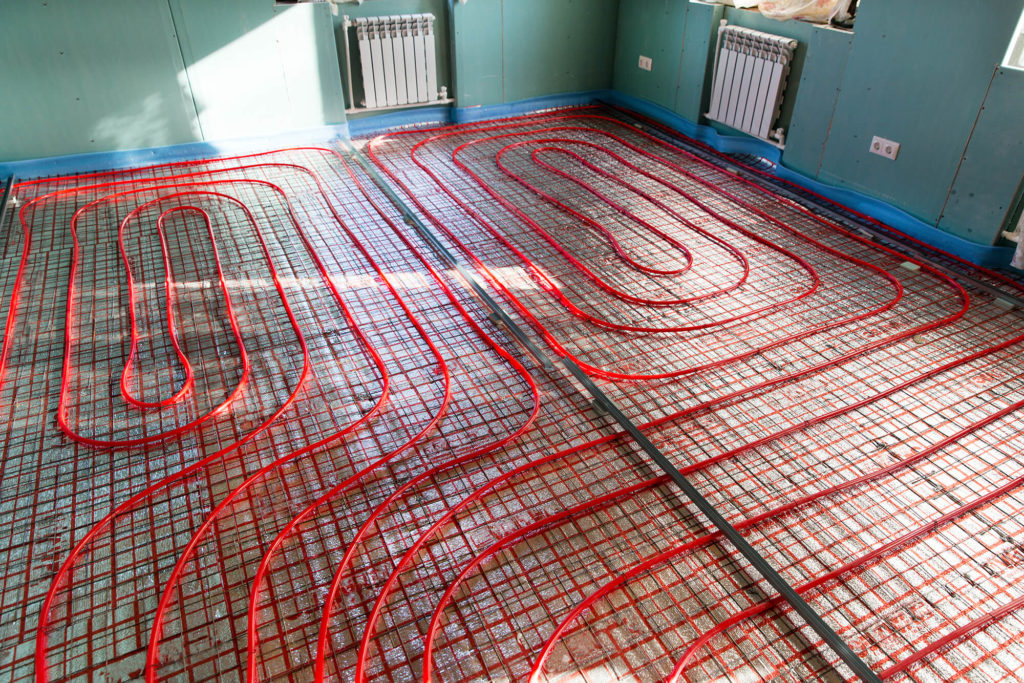
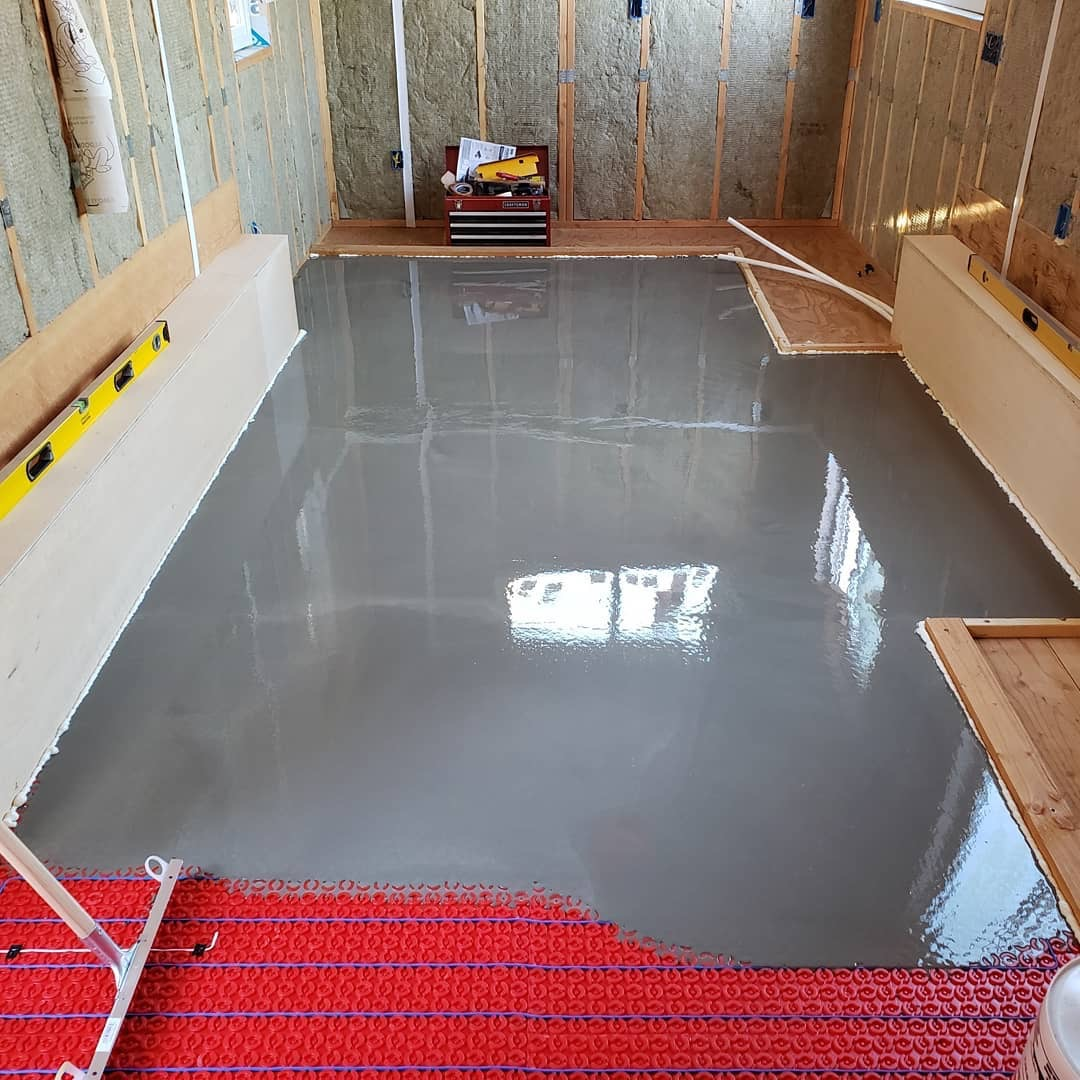
Radiant floor heating warms the floor from below. Heat rises up and warms the space. It is quiet and very efficient. You can walk on warm floors even in winter. This method keeps the garage comfortable. No noisy fans or vents are needed. It uses hot water pipes or electric mats. The system is hidden under the floor.
Solar heating uses sunlight to warm spaces. Panels collect sunlight and turn it into heat. This method saves money and energy. It is environmentally friendly. Installation might cost more upfront. Over time, it reduces heating bills. Solar heating works best in sunny areas. It is a smart choice for long-term savings.
Energy Efficiency Tips
A thermostat helps control the heat. It turns the heater on and off. This saves energy. Always set the thermostat at a comfortable temperature. Don’t make it too high. That wastes energy.
Heat the garage only when needed. Use a timer on the heater. Set the timer to start one hour before you use the garage. Turn it off when you leave. This method saves a lot of energy.
Cost-effective Solutions
Using cheap materials is smart for garage heating. Insulated panels can keep the warmth inside. Foam boards are easy to cut and place. They stop cold from coming in. Reflective sheets also help. They bounce the heat back into the room. Draft stoppers are good for doors. They block cold air. Always think about the cost and efficiency of materials. Choose the best for your budget.
Doing it yourself can save money. It’s fun and a good challenge. DIY kits for heaters are easy to find. They have clear steps. Instructions are simple and help you stay safe. But, sometimes a professional might be needed. They know more about big projects. Experts can finish the job faster. Always weigh the pros and cons before choosing.
Maintenance And Safety
Heating a garage safely involves regular maintenance of heaters and ensuring proper ventilation. Check for gas leaks and clear any flammable materials. Install carbon monoxide detectors to prevent potential hazards.
Regular Heater Checks
Checking your heater often is important. It keeps your garage safe. Make sure all parts are working well. Listen for strange noises. Strange noises mean problems. Fix problems quickly. A broken heater can be dangerous. Clean the heater often. Dirt can cause fires. Use a vacuum to clean dust.
Fire Safety Measures
Fire safety is very important in a garage. Keep flammable items away from heaters. Store chemicals safely. Use metal shelves. Install a smoke detector. Check the battery often. Have a fire extinguisher nearby. Know how to use it. Practice a fire escape plan. It helps in emergencies. Teach kids about fire safety.
Credit: www.warmup.com
Conclusion
Heating your garage makes it more comfortable. It’s a place to work or relax. Consider insulation first. It keeps warmth inside. Portable heaters are easy to use. They are efficient for small spaces. Larger garages might need a permanent system.
Think about electric or gas heaters. Safety is key. Always check for proper ventilation. Regular maintenance prevents problems. Choose the option that fits your needs. Your garage can be a cozy space year-round. Enjoy your warm, inviting garage.

I’m Robert M. Payne, a passionate enthusiast for turning houses into dream homes. With a knack for DIY projects and a keen eye for design, I’ve dedicated myself to sharing my knowledge and experiences in the realm of home improvement.
As a seasoned homeowner and avid DIYer, I understand the challenges and joys that come with transforming living spaces. Through Myhomemyworld, I aim to inspire and guide fellow homeowners on their journey to creating spaces that reflect both functionality and style.
Cheers to creating spaces that truly feel like home.
Connect with me in facebook