
To lower the output of an oversized furnace, adjust the blower speed and use a multi-stage thermostat. Reducing the temperature setting can also decrease furnace output.
Dealing with an oversized furnace can be challenging and costly. It not only consumes more energy than necessary but can also lead to uncomfortable temperature fluctuations and increased wear on your heating system. Homeowners seeking to manage their furnace’s output must focus on optimizing their current system.
This includes tweaking the existing setup to run more efficiently and align with their specific heating requirements. Smart and strategic adjustments, such as modifying blower speed and employing a multi-stage thermostat, enable better control over heat distribution. Lowering the thermostat setting slightly can further fine-tune the warmth emitted and contribute to a more balanced indoor climate. By approaching your heating system with these targeted strategies, you can effectively manage an oversized furnace without the need for invasive and costly changes.
Mismatched Furnace Sizes And Consequences
Home comfort starts with the right furnace size. A size too big leads to a warm home but causes issues. Learn about these issues and tips to fix an oversized furnace.
Signs Of An Oversized Furnace
It’s vital to know the signs of an oversized furnace. Look out for quick on-off cycles. Rooms might get too hot, then too cold. Also, notice noise levels. A loud furnace can mean too big a size.
- Short Heating Cycles
- Uneven Heating in Rooms
- Excessive Noise During Operation
- High Energy Bills
- Increased Wear and Tear
Impacts On Comfort And Efficiency
An oversized furnace can waste energy and reduce comfort. Energy bills may go up. The furnace can also wear out sooner. This means more repairs and early replacement.
| Comfort Impact | Efficiency Impact |
|---|---|
| Hot and cold spots in home | Higher energy use and costs |
| Humidity problems | More carbon footprint |
| Frequent on-off cycling | Shortened equipment life |
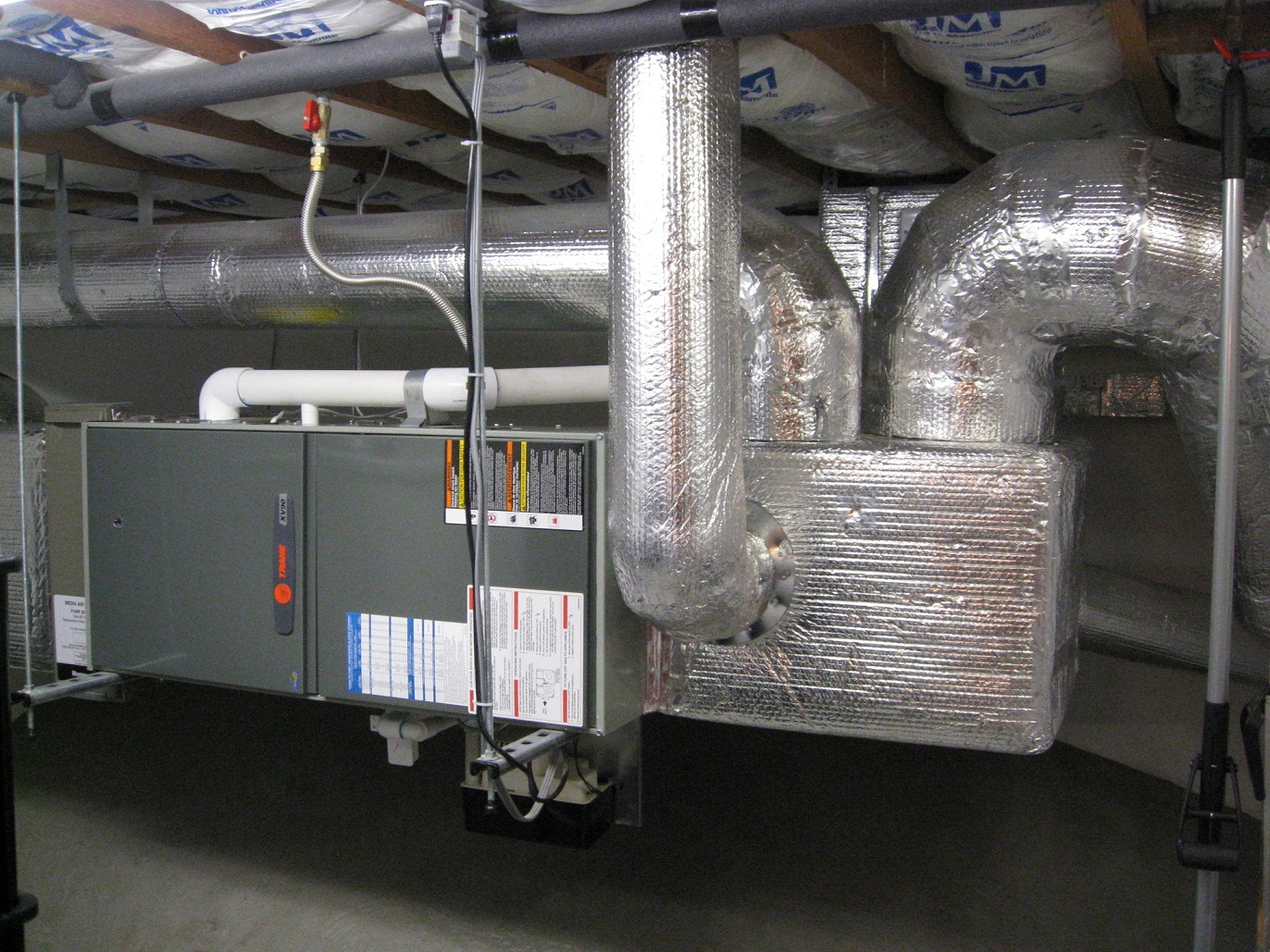
Credit: advancedhomeenergy.com
Assessment And Measurement
An oversized furnace can lead to inefficiency and increased costs. Proper assessment and measurement are key to understanding and reducing furnace output effectively. Below, we explore crucial steps to address this issue.
Conducting A Heat Load Calculation
To lower the output of an oversized furnace, start with a heat load calculation. This process determines the exact heating needs of your space. Different factors such as square footage, insulation quality, and window size contribute to this calculation. Use an online heat load calculator or consult a professional for accurate results.
- Measure the area of each room needing heat.
- Consider insulation levels in the calculation.
- Account for windows and doorways that may affect heat loss.
The Role Of A Professional Hvac Technician
An HVAC technician plays a crucial role in assessing furnace size. Their expertise ensures the correct heating requirements are identified. A technician will:
- Analyze your current system to identify inefficiencies.
- Recommend adjustments or replacements necessary.
- Help implement the changes to reduce the furnace’s output.
Trust a professional to optimize your furnace for better comfort and efficiency. They will also ensure the safety codes and regulations are followed.
Adjustments To Reduce Output
Working with an oversized furnace can lead to inefficiencies and high energy bills. Luckily, there are ways to adjust your system to reduce its output without compromising on comfort. Let’s walk through some simple alterations you can make to your furnace to keep it running more efficiently.
Altering The Blower Speed
Adjusting the blower speed is a key method to manage furnace output. Slow down the fan to reduce the volume of air circulated, thus lowering heat output and saving on energy consumption. Locate your furnace’s main control board and search for the blower motor switch. It’s typically a dial or set of pins and may require a screwdriver or similar tool to adjust. Lower the setting from high to a medium or low speed and monitor the changes.
Temperature Setback Strategies
Implementing temperature setbacks can significantly lower your furnace’s workload during times when full heating isn’t necessary. Use a programmable thermostat to set different temperatures for specific times of the day.
- Night time: Drop the temperature by a few degrees while you sleep.
- Work hours: Set a lower temperature when the house is empty.
- Quiet hours: Reduce heat output during times of minimal activity.
These strategies will not only reduce the output of your oversized furnace but also trim down your energy bill. Remember, a consistent temperature is key.
Supplemental Solutions
An oversized furnace can lead to energy waste and uneven heating. Supplemental solutions improve efficiency and comfort. These strategies ensure optimal use of your heating system.
Zoning Systems
Zoning systems divide your home into areas. Each zone has individual temperature control. This method reduces the strain on your oversized furnace. See the benefits:
- Custom Comfort: Each area can have a different temperature.
- Energy Savings: Heat only the zones in use.
- Reduced Wear: The furnace runs less, extending its lifespan.
Installing A Variable Speed Furnace
Consider replacing your current unit with a variable speed furnace. This can be a smart move for control and savings. Key points include:
| Features | Benefits |
|---|---|
| Adjustable Speeds | Matches output to the exact need |
| Less Energy | Saves on utility bills |
Maintenance And Monitoring
Maintenance and Monitoring play crucial roles in managing an oversized furnace’s output. Without regular check-ups and smart adjustments, a furnace can overwork or waste energy. Keeping your furnace in check ensures efficiency and longevity.
Routine Furnace Tune-ups
Just like a car, your furnace needs regular tune-ups. Furnace tune-ups involve:
- Checking the blower motor and its operation
- Cleaning or replacing air filters
- Examining furnace cycles and controls
A professional should perform this service annually. This helps your furnace run properly. People can avoid costly repairs with these regular visits.
Smart Thermostats For Better Control
Smart thermostats give you control over your furnace like never before. With these devices, you can:
- Create heating schedules to match your lifestyle
- Adjust temperatures remotely via a smartphone
- Monitor energy usage and make adjustments for efficiency
Upgrading to a smart thermostat can lead to significant energy savings. These devices learn your habits and adjust heating accordingly. They make sure your oversized furnace isn’t more than what you need.
Credit: www.ebay.com
Long-term Solutions
Finding a long-term solution for an oversized furnace is crucial. It saves money and energy. Let’s explore the best ways to reduce the output permanently.
Upgrading To An Appropriately Sized Unit
Replacing your large furnace with a smaller one is smart. A properly sized furnace runs more efficiently. It provides the right amount of heat without waste. It’s important to calculate your home’s heating needs. Contact a professional for an accurate assessment. They consider insulation, windows, and floor space. This ensures you get the best-size furnace for your home. An upgrade might seem expensive. But it often pays off in lower bills and better comfort.
Energy-efficiency Renovations
Improving your home’s energy efficiency is another great step. It helps your new furnace work even better. Here are some effective renovations:
- Insulation: Upgrade attic and wall insulation. This keeps heat inside during winter.
- Windows: Double-glazed windows prevent heat loss.
- Air sealing: Seal gaps around doors and windows. This stops drafts.
- LED lighting: Use LED bulbs as they produce less heat.
These changes mean a smaller heating system can work well. Your furnace won’t have to work too hard. In turn, your energy bills might decrease even more. Always consult a certified contractor. They help plan and execute these renovations properly.
Credit: www.amazon.com
Conclusion
Reducing an oversized furnace’s output enhances efficiency and comfort. Simple steps like thermostat recalibration, upgrading filters, and routine inspections can make a significant difference. Embrace these practices for a cozy, eco-friendly home environment. Your wallet and the planet will thank you.
Keep warm sensibly!

I’m Robert M. Payne, a passionate enthusiast for turning houses into dream homes. With a knack for DIY projects and a keen eye for design, I’ve dedicated myself to sharing my knowledge and experiences in the realm of home improvement.
As a seasoned homeowner and avid DIYer, I understand the challenges and joys that come with transforming living spaces. Through Myhomemyworld, I aim to inspire and guide fellow homeowners on their journey to creating spaces that reflect both functionality and style.
Cheers to creating spaces that truly feel like home.
Connect with me in facebook