
To determine if your garage is high enough for a car lift, check for a minimum clear height of 10-12 feet. Most home garages require at least this much space for a standard car lift installation.
Before investing in a car lift, measuring your garage’s dimensions is crucial. A car lift can greatly enhance your vehicle maintenance capabilities, offering easier access to your car’s underside and optimizing storage for multiple vehicles. But selecting a lift that fits within your garage’s height constraints is fundamental.
Standard car lifts usually demand a minimum clear ceiling height ranging from 10 to 12 feet to operate safely and effectively. Without this essential space, the lift cannot elevate a car fully, limiting its functionality. Therefore, evaluating the height of your garage against the specifications of potential car lifts is a key step in ensuring a successful installation. Remember, choosing a lift that complies with your garage’s limitations not only ensures safety but also maximizes the utility and efficiency of your home automotive workspace.
Evaluating Garage Dimensions For Car Lifts
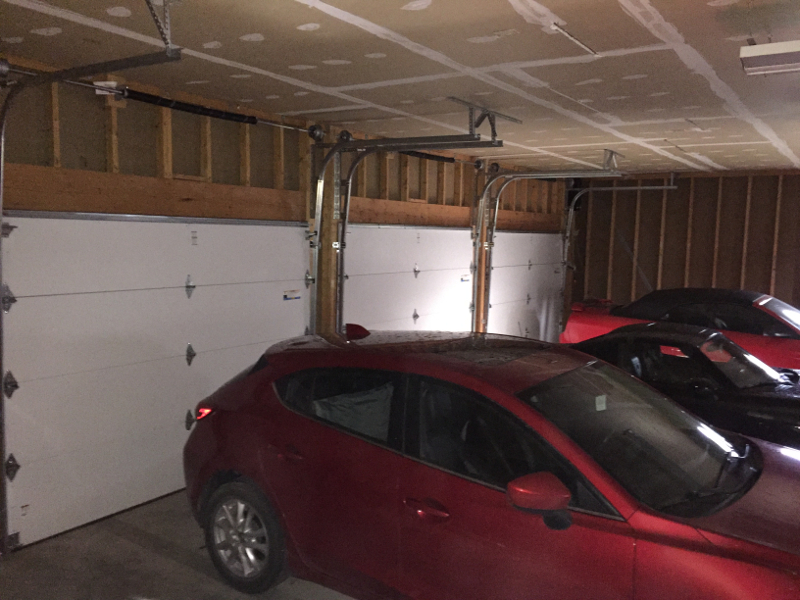
Assessing Ceiling Height is vital before installing a car lift. Standard lifts require a minimum of 11 to 12 feet of vertical clearance. Measure from the floor to the lowest ceiling point. Ensure no obstructions, like light fixtures or garage door openers, are present. For tall vehicles, consider extra space on top. A lift’s added height could vary, so always check the specifications.
Calculating Floor Space means checking both lift and vehicle dimensions. Car lifts need a small footprint, usually 10 x 20 feet. Measure your garage’s length and width. Factor in work area space around the lift. Most importantly, check for a flat, strong concrete floor to support the weight. Verify capacity ratings to be safe.
Types Of Car Lifts For Home Garages
Choosing the right car lift for a home garage is essential. Two-post lifts require less space, ideal for smaller garages. They use two sturdy posts and supportive arms, allowing clear access to the vehicle’s underside. Perfect for maintenance and repair tasks. Four-post lifts are more stable and support heavier loads. They are often used for long-term storage and can accommodate larger vehicles. Multiple vehicle storage becomes possible with these lifts. Scissor lifts, on the other hand, are compact and offer great mobility within the garage. They are perfect for quick tasks, like tire and brake work.
Structural Considerations Before Installation
Assessing the garage foundation is vital before installing a car lift. Concrete strength should support heavy loads without cracking. The typical recommendation is a minimum thickness of four inches of reinforced concrete slab. The surface must be level for the car lift to operate safely.
Adequate weight distribution prevents structural damage. It’s crucial to verify that the floor can handle the lift plus the weight of your vehicle. Confirming this detail with a structural engineer or an experienced contractor is a smart move. They ensure the lift’s weight won’t exceed the garage’s load-bearing capacity. Proper installation safeguards both your car and garage structure.
Credit: www.garageliving.com
Navigating Local Building Codes
Before installing a car lift in your garage, research local building codes is key. Regional regulations often dictate specific height requirements and safety measures. Getting the right permits is a must to avoid legal issues.
Ensuring the garage meets the safety standards for a lift is crucial. Homeowners should seek approvals from local authorities prior to any modification. This step is important to ensure the lift operation is legal and safe.
Customization Options For Limited Spaces
Adjustable Height Lifts offer versatility in confined garages. Owners can change lift height to fit their space.
For short ceilings, these lifts provide a viable solution. They enable car storage or maintenance without needing a tall garage.
| Lift Type | Minimum Ceiling Height | Max Vehicle Height |
|---|---|---|
| Standard 4-Post | 11 feet | 7 feet |
| Adjustable 4-Post | 8 feet | 6 feet |
Portable Lift Solutions cater to those with multiple work sites. They are easy to move and set up anywhere.
Suiting both indoor and outdoor spaces, these lifts support flexible usage. They are a favorite among people with limited space.
Credit: ddmgaragedoors.com
Maximizing Garage Utility With A Car Lift
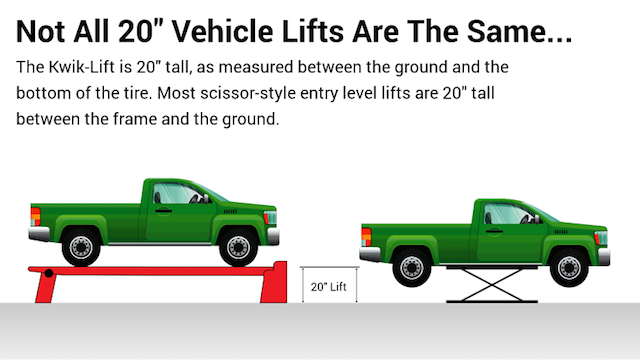
Assessing your garage’s height is crucial before installing a car lift. Ideal garage dimensions support both storage and workspace needs. Think about clearance—both above and around the vehicle. A lift needs extra headroom beyond the car’s height.
For a dual-purpose garage, organizing is key. Use wall-mounted racks and ceiling storage to keep the floor clear. Install a workbench that folds up. Choose sleek cabinets for tools and supplies. Make the most of every inch with smart solutions.
Credit: www.kwik-lift.com
Conclusion
Ensuring your garage can accommodate a car lift is crucial for ease and safety. Measure carefully and consider lift specifications before making a decision. A well-chosen lift can transform your automotive experience, providing efficiency and convenience. Start planning today to elevate your garage’s functionality!

I’m Robert M. Payne, a passionate enthusiast for turning houses into dream homes. With a knack for DIY projects and a keen eye for design, I’ve dedicated myself to sharing my knowledge and experiences in the realm of home improvement.
As a seasoned homeowner and avid DIYer, I understand the challenges and joys that come with transforming living spaces. Through Myhomemyworld, I aim to inspire and guide fellow homeowners on their journey to creating spaces that reflect both functionality and style.
Cheers to creating spaces that truly feel like home.
Connect with me in facebook